
MLB Umpire Impact Betting: How the Man Behind the Plate Affects Lines
 Available in US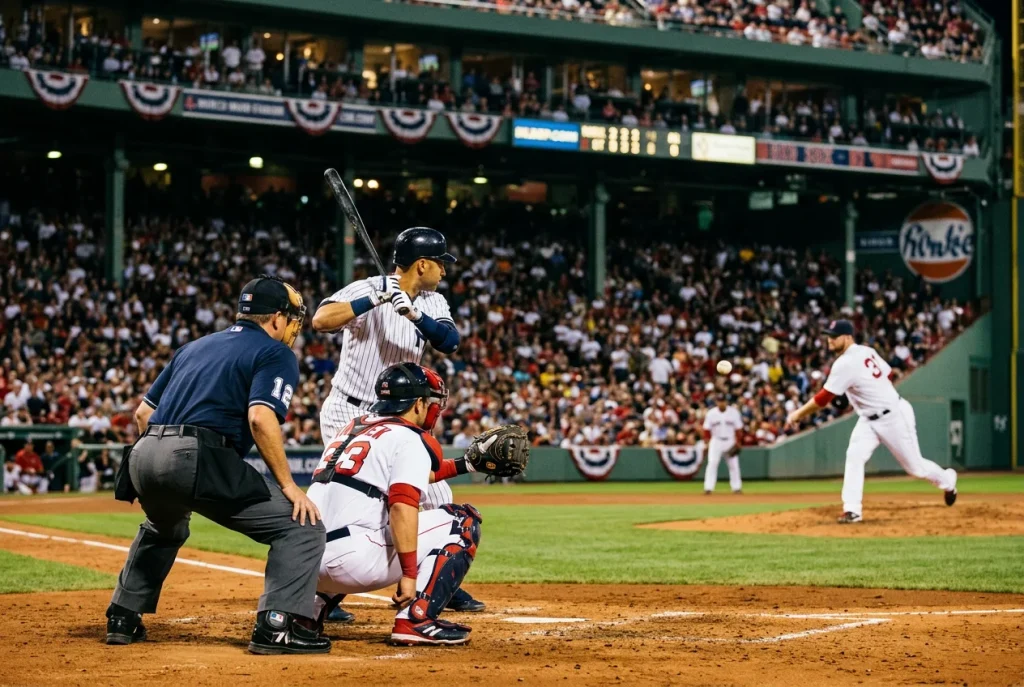
I ignored umpire data for years, dismissing it as noise in an already complex handicapping process. Then I ran the numbers on totals for specific home plate umpires and found something surprising: certain umpires produced under rates above 60% while others skewed heavily toward overs. The effect wasn’t massive, but it was consistent enough to matter. Now umpire assignments get checked before I finalize any totals bet.
Home plate umpires control the strike zone, and strike zone size affects everything. A generous zone means more called strikes, fewer walks, quicker outs, and lower scoring. A tight zone means more balls, longer at-bats, more baserunners, and higher scoring. Individual umpires develop tendencies that persist across seasons, creating predictable effects on game outcomes. This guide covers the umpire’s role in game outcomes, how strike zone tendencies manifest, umpire impact on totals and strikeout props, data sources for umpire analysis, and how to integrate this factor without overweighting it. These details supplement the comprehensive approach at baseball bet of the day.
The Umpire’s Role in Game Outcomes
Home plate umpires call balls and strikes, determining the strike zone for each game. While rulebook strike zones are standardized, practical application varies. Some umpires expand the zone horizontally, giving pitchers the corners. Others squeeze the zone, forcing pitchers to work within a smaller target. These tendencies affect pitch selection, hitter aggression, and ultimately game scoring.
The impact flows through multiple channels. A larger strike zone increases strikeouts, reduces walks, and shortens at-bats. Pitchers can work more efficiently, going deeper into games. Fewer baserunners means fewer runs. The cumulative effect creates measurably different game environments based on who’s calling balls and strikes.
Umpire consistency matters beyond average zone size. An inconsistent umpire frustrates both pitchers and hitters, creating unpredictable at-bats that can break in either direction. Consistent umpires – whether with large or small zones – allow both teams to adjust their approach, potentially normalizing outcomes despite zone tendencies.
Strike Zone Tendencies
Strike zone data reveals which umpires favor pitchers and which favor hitters. Pitch-tracking technology precisely measures where each pitch crosses the plate and how umpires call those locations. Aggregating this data across games creates umpire-specific zone profiles that persist year over year.
Horizontal zone width varies most among umpires. Some call strikes on pitches two to three inches off the plate; others require the ball to catch the black. This horizontal variation affects all pitch types but impacts breaking balls most – a slider that starts off the plate and breaks further away might be called a strike by one umpire and ball four by another.
Vertical zone variation matters for specific pitch types. High strike calls benefit pitchers with riding four-seam fastballs. Low strike calls benefit sinker-ballers and pitchers attacking the bottom of the zone. Match pitcher arsenals to umpire vertical tendencies for nuanced analysis.
Umpire Impact on Totals
Totals represent the clearest umpire impact betting opportunity. Umpires with historically large zones correlate with unders because they suppress scoring through increased strikeouts and decreased walks. Umpires with tight zones correlate with overs because they extend at-bats and put more runners on base.
The magnitude of impact varies by umpire. The most extreme umpires show 3-5% deviation from expected totals outcomes – meaningful but not overwhelming. Most umpires cluster near average, making their specific tendencies negligible. Focus attention on the outlier umpires whose tendencies are strong enough to affect betting decisions.
Umpire impact interacts with pitching matchups. A large-zone umpire benefits control pitchers who can hit corners consistently. A tight-zone umpire might neutralize that advantage while helping power pitchers who rely on swing-and-miss rather than called strikes. Consider how specific starters interact with specific umpire tendencies.
Umpires and Strikeout Props
Strikeout props respond directly to umpire tendencies. A pitcher with borderline called-strike ability benefits enormously from generous zones – those corner calls that become strikes rather than balls add up across at-bats. The same pitcher facing a tight-zone umpire must generate more swings-and-misses to accumulate strikeouts.
Check umpire strikeout rates alongside pitcher strikeout rates when evaluating K props. An umpire who averages 18 strikeouts per game creates different expectations than one who averages 14. This variance flows directly into individual pitcher strikeout totals, shifting where lines should sit.
Walk-prone pitchers face amplified risk from tight-zone umpires. A pitcher who struggles with command depends on getting borderline calls to avoid walks. When those calls go against him, walk rates spike, pitch counts escalate, and early exits follow – all damaging to strikeout accumulation regardless of underlying ability.
Umpire Data Sources
Several websites track umpire tendencies with varying depth. Some provide simple over/under records by umpire. Others offer granular zone maps showing exactly where each umpire expands or contracts the strike zone. The most useful sources combine historical records with zone visualization.
Umpire assignments typically publish the day before games, giving bettors time to incorporate this factor into overnight analysis. However, assignments occasionally change due to illness or travel issues. Verify umpire assignments remain accurate closer to game time when placing bets based partly on umpire factors.
Build your own umpire database over time. Track which umpires you’ve encountered, what happened in those games, and whether the outcomes aligned with expected tendencies. This personalized data reveals which umpire factors actually affect your betting results versus which represent noise you’ve overweighted.
Frequently Asked Questions
How much do umpires affect game totals?
The most extreme umpires show 3-5% deviation from expected totals outcomes. Large-zone umpires favor unders through increased strikeouts and decreased walks. Tight-zone umpires favor overs through extended at-bats. Most umpires cluster near average with negligible impact.
Where can I find umpire assignment data?
Several sports data websites publish umpire assignments, typically the day before games. Some sites specialize in umpire statistics including zone maps, historical over/under records, and strikeout rates. Check assignments close to game time as changes occasionally occur.
Should I change my bet based on umpire assignment?
Umpire data should influence marginal decisions rather than override strong analysis. If you"re considering a totals bet and the umpire assignment supports your lean, that confirmation adds confidence. But umpire factors rarely justify betting against your core analysis. Use umpire data as one input among many.
Umpires as One Factor
Umpire analysis belongs in your process but shouldn’t dominate it. The effect is real but modest – no umpire assignment should override strong pitcher matchup analysis or compelling situational factors. Think of umpire tendencies as tiebreakers or confirmation signals rather than primary betting triggers.
Weight umpire factors more heavily in specific situations where the effect concentrates. Close totals decisions benefit most from umpire analysis because zone size directly affects scoring. Strikeout props respond clearly to umpire tendencies because called strikes affect K accumulation directly. Moneyline bets are affected less directly, though extreme umpire tendencies can shift win probability at the margins.
Combine umpire analysis with pitcher style evaluation. A control pitcher who lives on the corners benefits enormously from a generous umpire but might struggle with a tight zone. A power pitcher who generates swings and misses cares less about zone size because he’s not relying on borderline called strikes. Match umpire tendencies to pitcher approach for nuanced analysis that goes beyond simple over/under historical records.
Integrate umpire considerations most directly with strikeout props where the impact is clearest. The connection between zone size and called strikes flows directly into K totals. For strikeout prop methodology that incorporates umpire factors, explore MLB strikeout props analysis. This specialized focus captures umpire impact where it matters most while avoiding overweighting a factor that represents just one element of comprehensive game handicapping.
Articles
Prepared by the Baseball Bet of the Day editorial staff.
